
Google Pixel has developed the technology in their phones (as seen in their Super Bowl LVII commercial), the ability to use a tool we have had since the advent of Photoshop. Now, it is available for ostensibly no cost (or marginal when considering one is already investing in a phone). The problem is not that the tool exists; it has been in the hands of artists and journalists for decades; it has not been marketed and advertised in the way it is now. Google Pixel encourages the average consumer to edit their photos and (to an extent) rewrite the story. This can be detrimental when it works to fit a new narrative. This is shown playfully with Giannis Antetokounmpo’s successful offensive obfuscation of his failed defense in-game. But what if this was about something more serious? Take the NBC’s photo of a makeshift migrant encampment in McAllen, Texas, where some indigenous migrants were during the Trump administration. You can use your Google Pixel to erase some essential context. I have done so to illustrate.
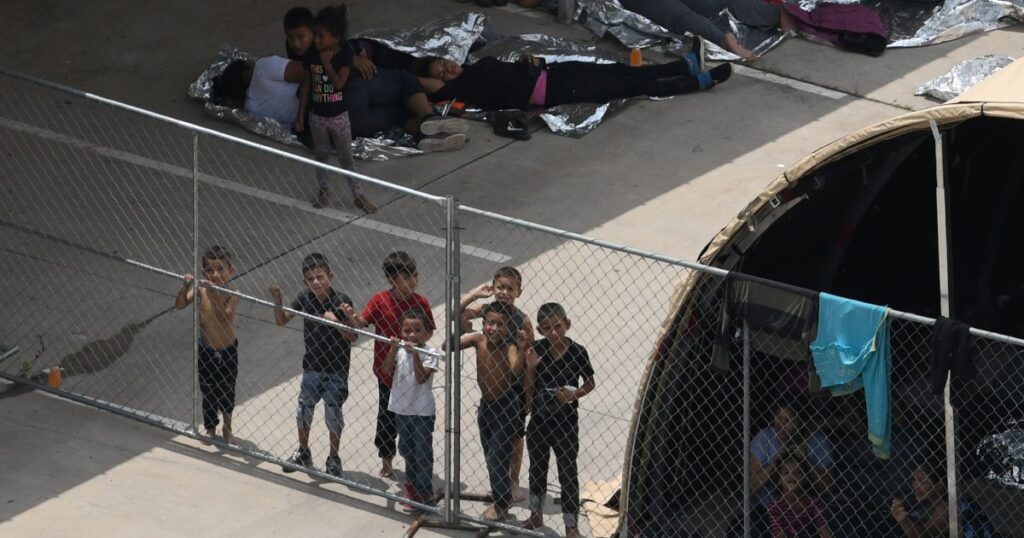
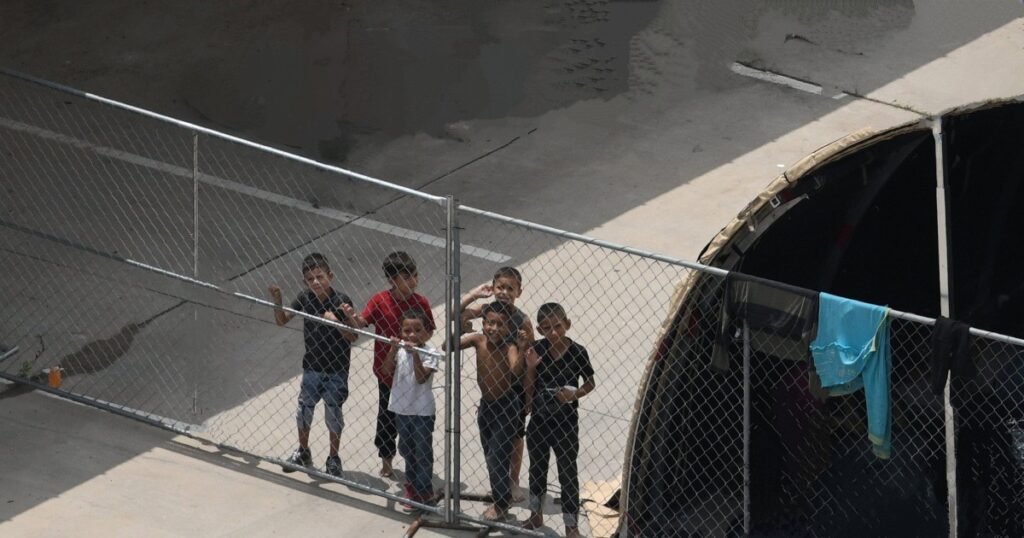
On the left, you can see the original; on the right is a digitally altered version I made in less than a minute. It’s not of perfect quality, but would an exposé by someone with malignant intent and disinformation on the mind need to be perfect, or would it trick people with this? I would argue yes, and if it’s on Facebook, as reported by Karen Hao, it’ll do numbers. This is something we need to keep in mind, people can easily look at something robust and draw suspicion to its veracity through the plain fact that we can make all this up. We saw the roots of skepticism come up during the questioning of the drone footage in the ever-publicized Rittenhouse trial, later covered by Jonathon W. Hak. Dr. Hak explains that it is the defense’s job to question the case at all levels and alteration to the footage through interpolation is significant. Axon’s run-down has helped explain how computers enhance, as so many shows refer to it. This interpolation is a major part of Google’s model, and its cameras are some of the best because of it. It only makes sense for Google to lean further into deblurring (interpolation) functionality, especially when consumers want to perfectly preserve one-in-a-lifetime moments, like meeting Doja Cat. In all, it can be helpful and even a godsend to be able to edit your photos, but it has no place in ethical journalism or the search for truth. Discerning fact from fabrication will only get more complicated as we create more accessible means for such sophisticated tools. Misinformation education is needed to run parallel to these advancing technologies if we are ever to hold back the hordes of disinformation and stop the spread before it starts.
Leave a Reply