
Curse all the new technological… stuff. Today: a day and age of new machines, and the topic of A.I. is hot! Imagery comes to us often with terrible tales and frightfully foreboding messages, but plenty of it is fabricated! How am I supposed to look outside on the internet (ya know that thing when you look out the window and see pixels, or is that just me?) if nothing can be trusted for more than April Fool’s folly? At this point I have exhausted my patience for the unknown, at least for areas I can control. To that end, we can control where we go and what we believe; That is why, dear reader, today we are going to be exploring attribution and the differences between A.I. and Creative Commons licensable images (spoiler, one of them is completely legal and the other is ethically ambiguous).
The best-case scenario is almost always to just take the picture yourself, that way you can avoid accidentally plagiarizing anyone. It is still good practice to attribute your own work as well, to avoid misunderstanding. Here’s a picture of a rhino I saw at the zoo in Arizona last month for reference!
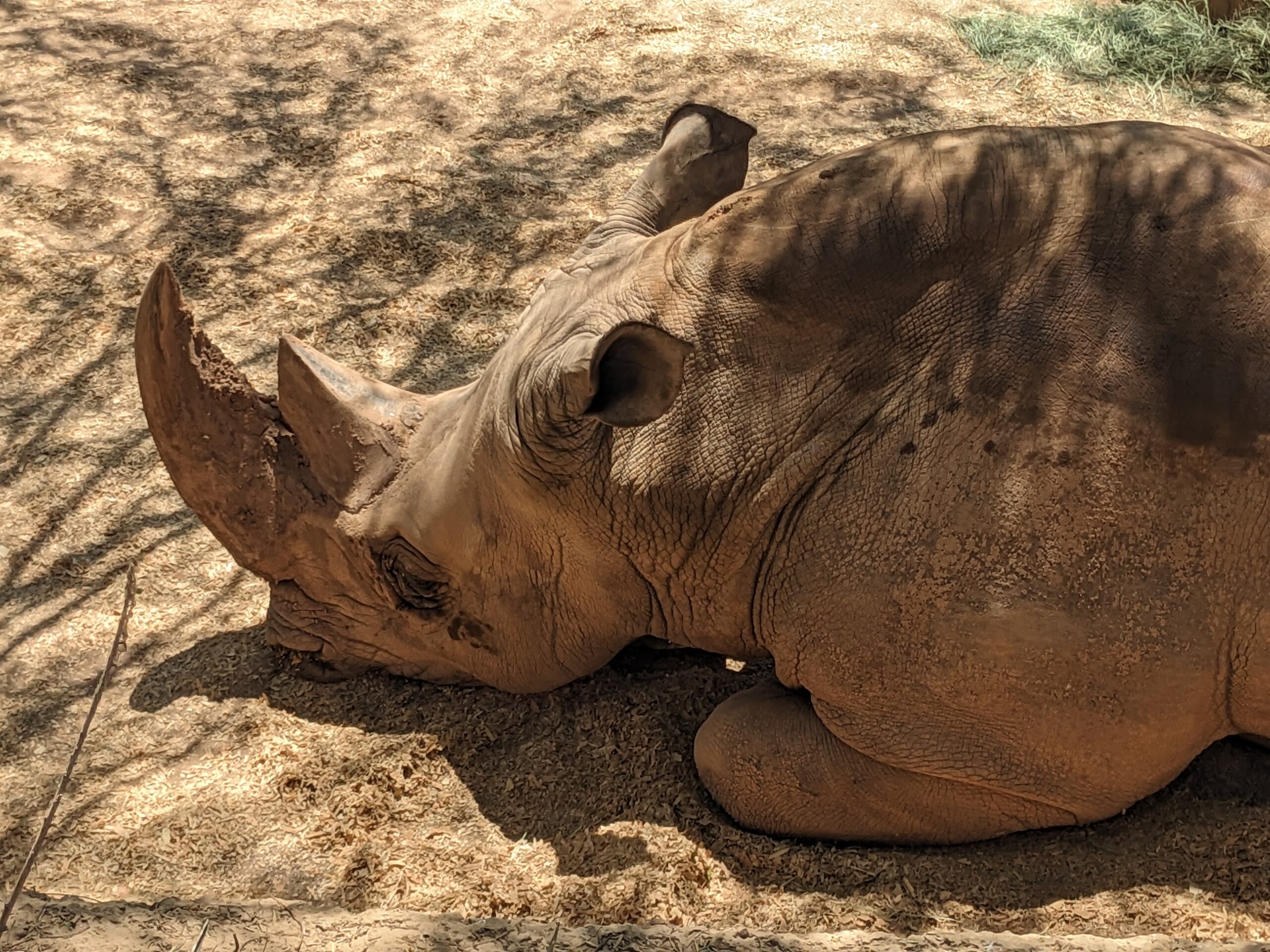
Title: Rhino in the Arizona Zoo
Author: Peyton Schismenos
Source: My camera
License: Owned by me. CC BY-NC 4.0 available.
Once you’ve compiled your camera coffers, if you still don’t have enough images, then you have a choice, generate an image through A.I., or find a licensable image through any free source. Both sound complicated but CC licensable images are easy to understand once you find the right websites. You’d do well to start with images under Creative Commons License. These images have certain rights reserved depending on the licensing but the main idea is that you can find these images for free, it just takes some time. For example, here’s that rhino again, but now their horn is missing. Oh, wait, I was mistaken, that’s not mine at all. In fact, you have all the info you need about it below the image.
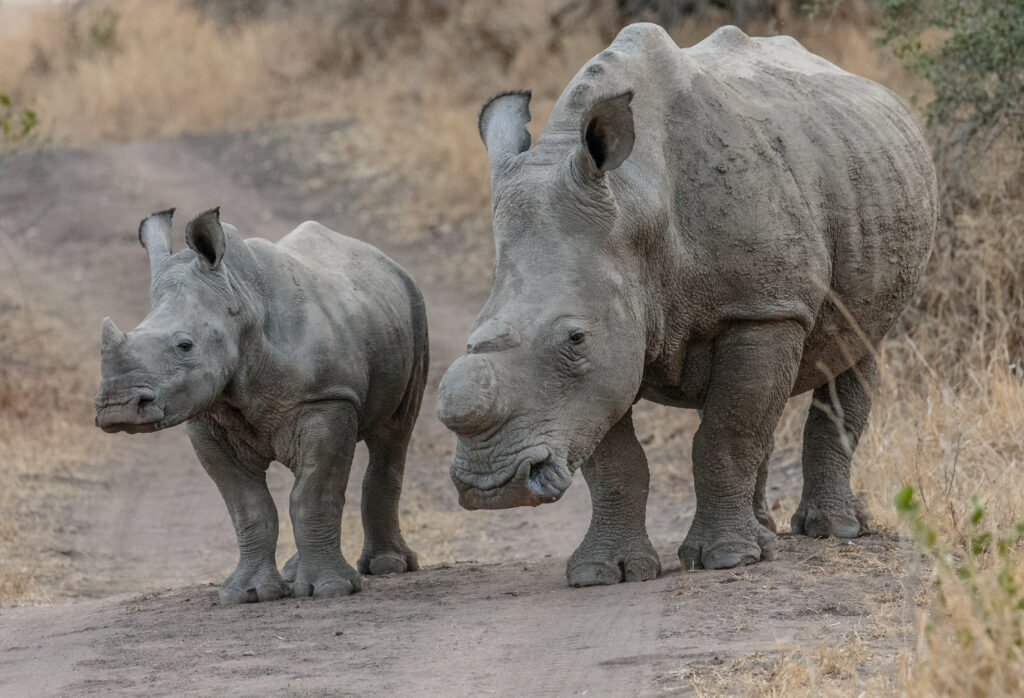
Title: White rhinos
Author: Andrew Morffew
Source: Andrew Morffew’s Flickr
License: CC BY 2.0
The last option I would suggest, mon ami, is to use generative A.I.. My reasoning goes thus, there is not a great way to attribute beyond the machine that was utilized, and you may end up with something that drew from your own image. I think that may have happened when I prompted Adobe Firefly to create something similar to Andrew Morffew’s photograph. Here is my end result, prompted by me, using Adobe Firefly.
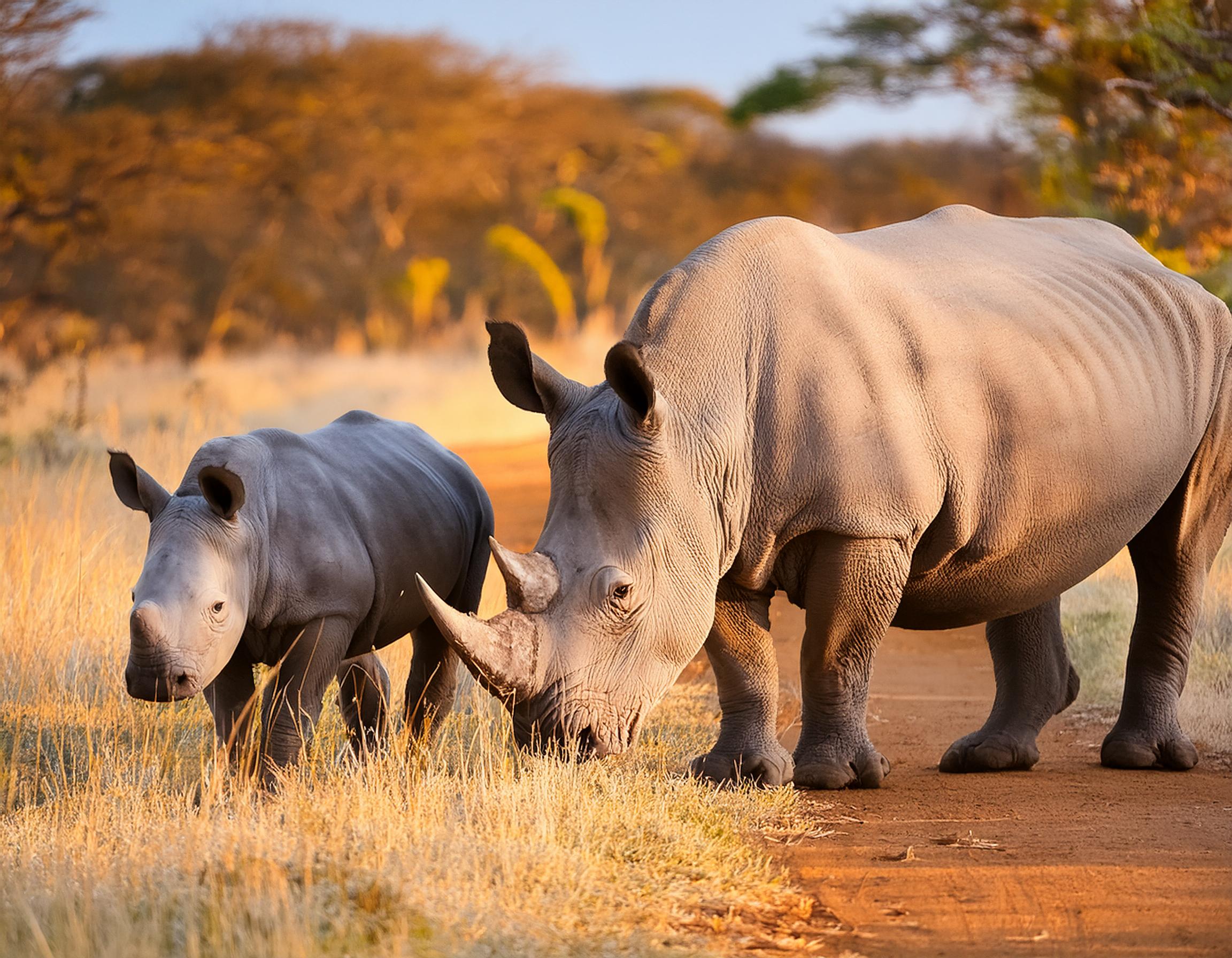
Title: two white rhinos on an african trail, rhino on the right is a mother rhino with no horn and the rhino on the left is a baby rhino
Author: Me? Firefly? Who knows.
Source: Firefly
License: Adobe does not claim any ownership or copyright interest in the content you generate with Firefly. Whether the content you create using Firefly can be copyrighted will is a regulatory matter determined by local laws.
The difference is not too stark, but the question is, why? Am I just that good, or am I standing on the shoulders of stronger creatives? The answer is murky. The one thing I do know, it is way easier to fill out a source sheet when you made the image on your own, without a LLM to help. Thanks for reading, I’ll see you again soon.
Today,
pey
Leave a Reply